Selecting the Best Metal Casting Foundry: What You Need to Know
Selecting the right metal casting foundry is a critical decision that can read now considerably affect project outcomes. Numerous factors come into play, including background, credibility, and production capacities. Grasping these elements is important for ensuring alignment with defined project requirements. As one examines this complex landscape, several key considerations arise, prompting a more thorough examination of what truly is important in establishing an productive partnership.
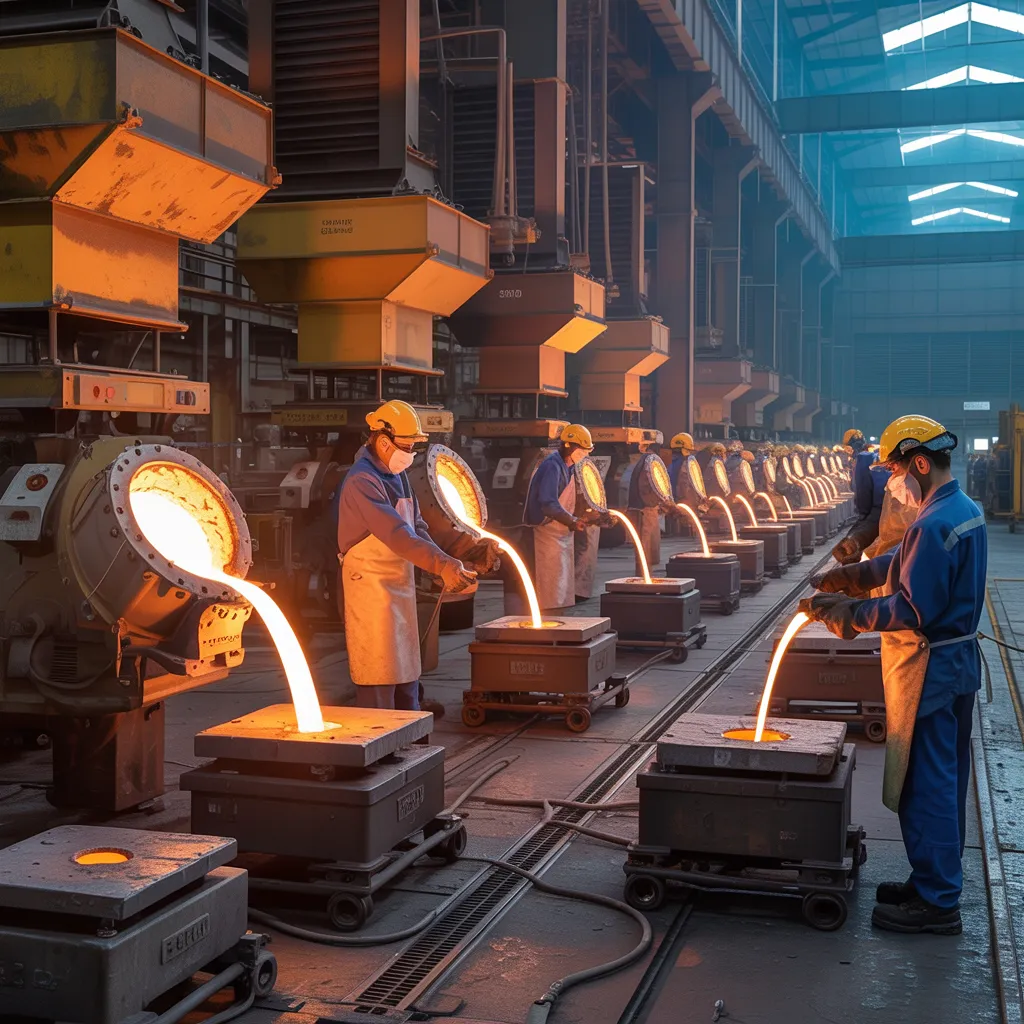
Key Factors for Assessing Metal Casting Foundries
When evaluating a casting foundry, it is crucial to consider various critical aspects to guarantee efficiency and quality. To begin, the foundry's standing and expertise in the industry should be assessed, as established facilities often display reliability and expertise. Furthermore, the selection of metals provided is significant; a casting operation that can handle multiple metal types may more readily address diverse project requirements.
Furthermore, reviewing the foundry's chosen machinery and tools is vital; modern machinery can improve accuracy and shorten production timelines. Quality control measures should likewise be thoroughly reviewed, as rigorous standards confirm that the final products satisfy professional industry criteria. Moreover, communication and customer service prove instrumental in cultivating a successful working relationship. Ultimately, the foundry's ability to meet deadlines and stay within budget is essential for sustaining operational timelines and budgetary control. Together, these considerations create a comprehensive guideline for reviewing prospective casting foundry partners.
Understanding Production Capabilities in Metal Casting
Recognizing operational capabilities is essential when selecting a metal foundry. This involves examining the multiple casting processes offered, the scale and volume parameters provided, and the compatibility of materials with individual projects. All of these elements can significantly influence the efficiency and quality of the end result.
Varieties of Casting Processes
Choosing the correct metal casting process is vital, as it directly influences production capabilities and the quality of the final product. Several casting methods are available, each designed to distinct applications and materials. Sand casting is widely used for its versatility and cost-effectiveness, well-suited for complex shapes. Investment casting provides high precision, making it appropriate for intricate designs. Die casting is chosen for mass production, ensuring consistent quality and shorter lead times. Gravity and low-pressure casting accommodate different material requirements, especially for non-ferrous metals. Recognizing these processes allows manufacturers to coordinate their production goals with the capabilities of the foundry, confirming the selected method meets both functional and financial criteria for the desired outcome.
Scale and Volume Options
Selecting the appropriate volume and scaling factors is essential for maximizing production capabilities in metal casting. Metal casting facilities provide a range of capacities, covering everything from compact operations ideal for prototype development to large-scale operations built for high-volume production. Businesses must assess their unique production needs, taking into account elements including turnaround schedules, budgetary restrictions, and the target application of cast parts. A facility's proficiency in scaling manufacturing processes can significantly influence completion times and economic viability. In addition, understanding the foundry's equipment and technology can reveal its limitations and strengths. By aligning volume requirements with a foundry's capabilities, companies can be confident that production runs proceed without disruption, upholding quality criteria while adhering to production schedules.
Considerations for Material Compatibility
Material compatibility serves as a key element in the outcome of any metal casting operation. Choosing the appropriate materials ensures that the final product meets performance specifications and regulatory standards. Foundries should demonstrate knowledge in a range of alloys, such as bronze, aluminum, and steel, as well as their associated casting processes. Comprehending thermal characteristics, corrosion resistance, and mechanical strength is critical for optimal material selection. Additionally, the foundry's equipment and production capabilities should align with the chosen materials to eliminate flaws throughout casting. Engaging in thorough communication with the foundry regarding specific material requirements can lead to improved quality and shorter lead times. At its core, deliberate assessment of material compatibility can substantially affect the longevity and functionality of the final product.
Which Material Options Should You Think About?
When reviewing a foundry for metal casting, several material choices play a critical role in identifying the best fit for specific applications. Popular materials consist of aluminum, valued for its lightweight properties and corrosion resistance, making it ideal for automotive and aerospace applications. Cast iron, with its excellent wear resistance, is widely applied in heavy machinery and automotive parts. Steel, particularly in its alloyed forms, provides high strength and long-lasting durability, making it ideal for structural applications.
Copper alloys, like bronze and brass, are valued for their outstanding conductivity and decorative qualities, often used in electrical and decorative applications. Moreover, specialized metals like titanium deliver superior strength-to-weight ratios for complex engineering endeavors. Comprehending the properties and uses of these materials ensures that stakeholders select the appropriate foundry, matching material attributes with project specifications. Ultimately, identifying the suitable material is vital for reaching maximum performance and lasting quality in the completed product.
Why Quality Assurance Matters to You?
Quality control is an essential element that plays a major role in determining the outcome of any metal casting operation. Making certain that a foundry follows rigorous quality protocols can reduce the likelihood of flaws and irregularities in the end result. This proves especially significant in industries where precision is paramount, such as aerospace, automotive, and related sectors.
A foundry's commitment to quality assurance reflects its operational integrity. Introducing comprehensive testing and inspection protocols not only strengthens product reliability but also cultivates confidence between the client and the manufacturer. Quality assurance procedures can detect potential problems at an early stage, minimizing expensive rework or setbacks later in the production cycle.
Furthermore, foundries that focus on quality control are more likely to employ cutting-edge technologies and experienced personnel, further enhancing the total quality of their craft. For customers, working with a foundry that upholds quality assurance standards can lead to improved performance and longevity of the cast products, confirming that all project requirements are satisfied with precision.
The Impact of Turnaround Times on Your Project
Turnaround times serve a critical function in defining the ultimate outcome of a metal casting endeavor, as delays can disrupt schedules and increase costs. A foundry's capability to fulfill orders within the established timeframe can significantly impact the overall project timeline. For manufacturers, unforeseen setbacks can result in missed deadlines, affecting subsequent operations including assembly and distribution. Such disruptions can lead to revenue losses and damaged client relationships.
Furthermore, fast processing times allow companies to respond swiftly to market changes, driving competitive advantage. Short lead times can also enable improved supply management, cutting warehousing costs and unnecessary overhead. In contrast, extended turnaround times may compel businesses to pursue alternative suppliers, weakening established partnerships and confidence.
Ultimately, understanding the timeline capabilities of a casting facility is critical for project planning. Reviewing these considerations in advance can work to confirm that project deadlines are fulfilled effectively, thus protecting the success of the entire project.
Tips for Building a Successful Partnership With Your Foundry
An effective collaboration with a metal casting foundry copyrights on transparent communication and common ground. Defining goals and expectations early on promotes a collaborative environment. Consistent updates and feedback channels ensure that both parties remain aligned across all stages of production.
Furthermore, understanding the foundry's specific strengths and constraints is critical. Such understanding assists in establishing reasonable timeframes and prevents possible delays. Building trust is also a key factor; openness about project requirements and challenges can boost problem-solving efficiency.
Additionally, nurturing a relationship based on respect and appreciation can result in deeper loyalty from the foundry. Recognizing their skills and respecting their feedback can result in forward-thinking solutions and enhanced quality.
Finally, investing time in consistent meetings and conversations can solidify the partnership, guaranteeing that both parties are engaged and motivated to accomplish common objectives in every project.
Common Questions and Answers
How Can I Compare Costs Across Different Foundries?
In order to evaluate expenses among multiple foundries, you should collect comprehensive quotes, assess material and labor expenses, evaluate production capabilities, and factor in additional considerations like turnaround times and quality control measures for an accurate comparison.
What Environmental Practices Does the Foundry Follow?
The foundry's environmental practices include emissions control, waste management, and energy conservation strategies. Assessing certifications, recycling programs, and the adoption of eco-friendly materials may reveal important details about their devotion to environmentally responsible operations and industry compliance.
Can I Visit the Foundry Before Choosing?
Yes, potential clients can often visit the foundry before making a selection. Such visits allow them to assess operations, understand capabilities, and gauge environmental practices, fostering confidence in their eventual decision regarding the foundry.
What Certifications Ought a Trusted Foundry to Possess?
A reliable foundry is expected to have qualifications such as the ISO 9001 standard for quality management systems, the ISO 14001 standard for environmental management, and specific industry certifications like ASME or ASTM, confirming conformity to established standards and proven practices in metal casting.
How Does the Foundry Address Unexpected Production Issues?
A reputable foundry resolves unexpected production challenges through forward-thinking communication, implementing contingency plans, and utilizing skilled personnel. Ongoing oversight and a partnership-driven approach with partners secure prompt solutions and preserve production integrity throughout the process.